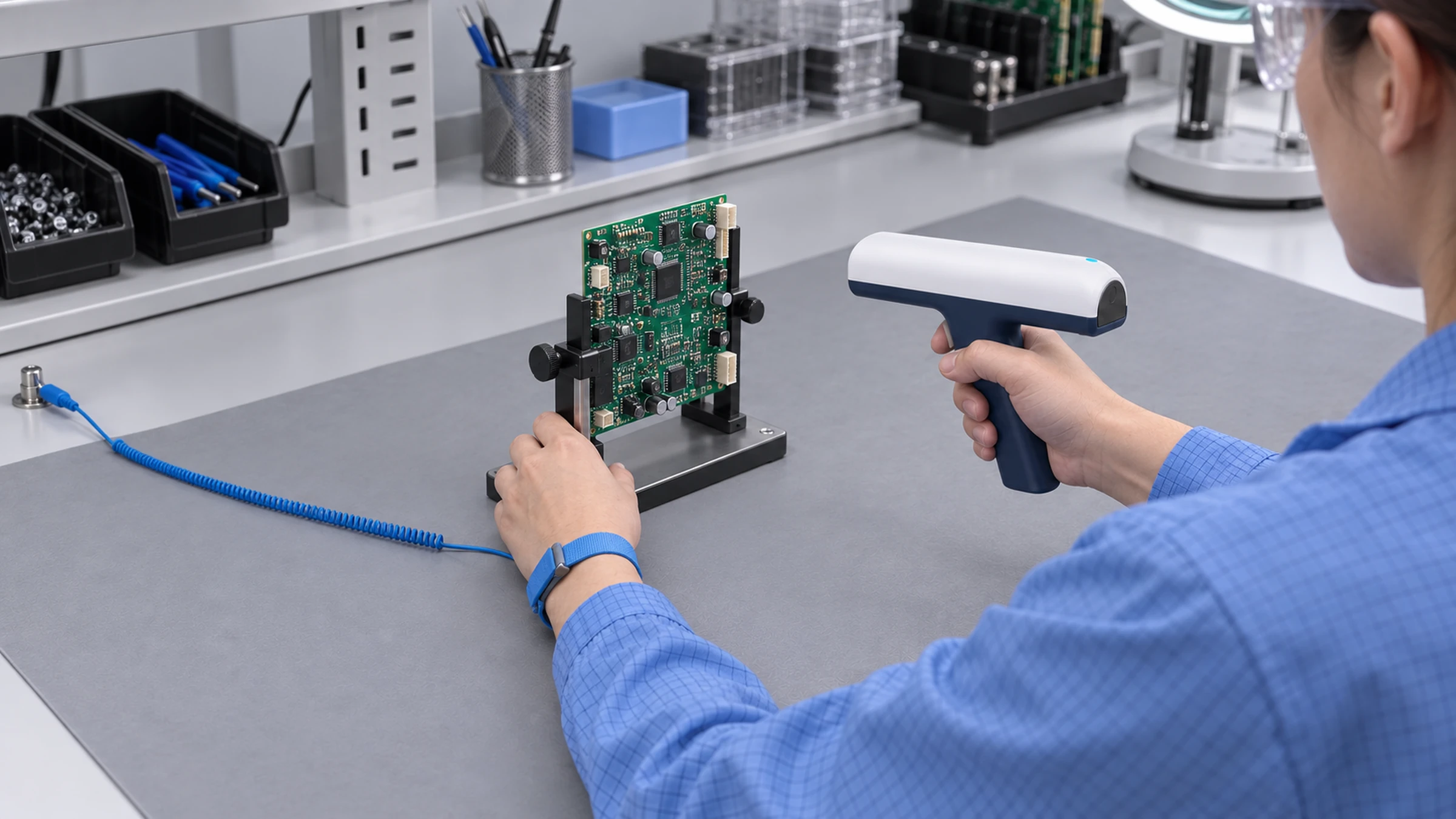
OPERATOR-ASSISTED
Handheld
Bring the reader to the item for checks at a bench, storage location or custody handoff. Evaluate position, handling and operator access.

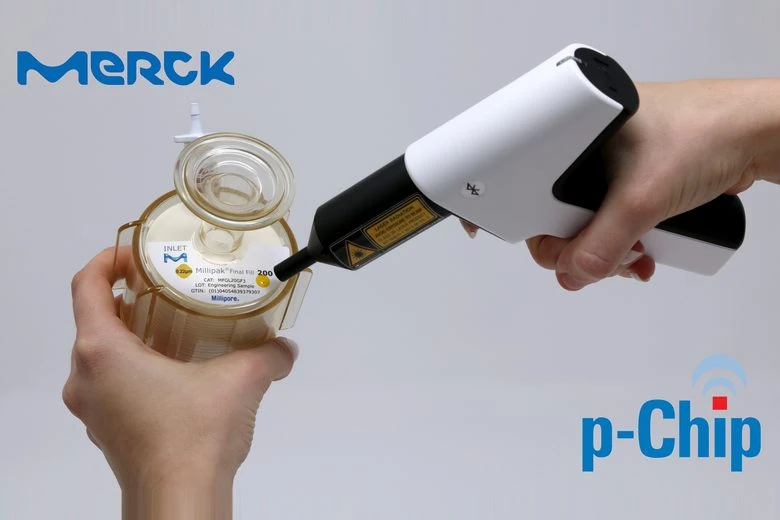
Reader ecosystem
Capture identity at the bench, receiving station or production line with a configuration suited to the task.
Discuss your applicationChoose the right checkpoint
Bring the reader to the item for checks at a bench, storage location or custody handoff. Evaluate position, handling and operator access.
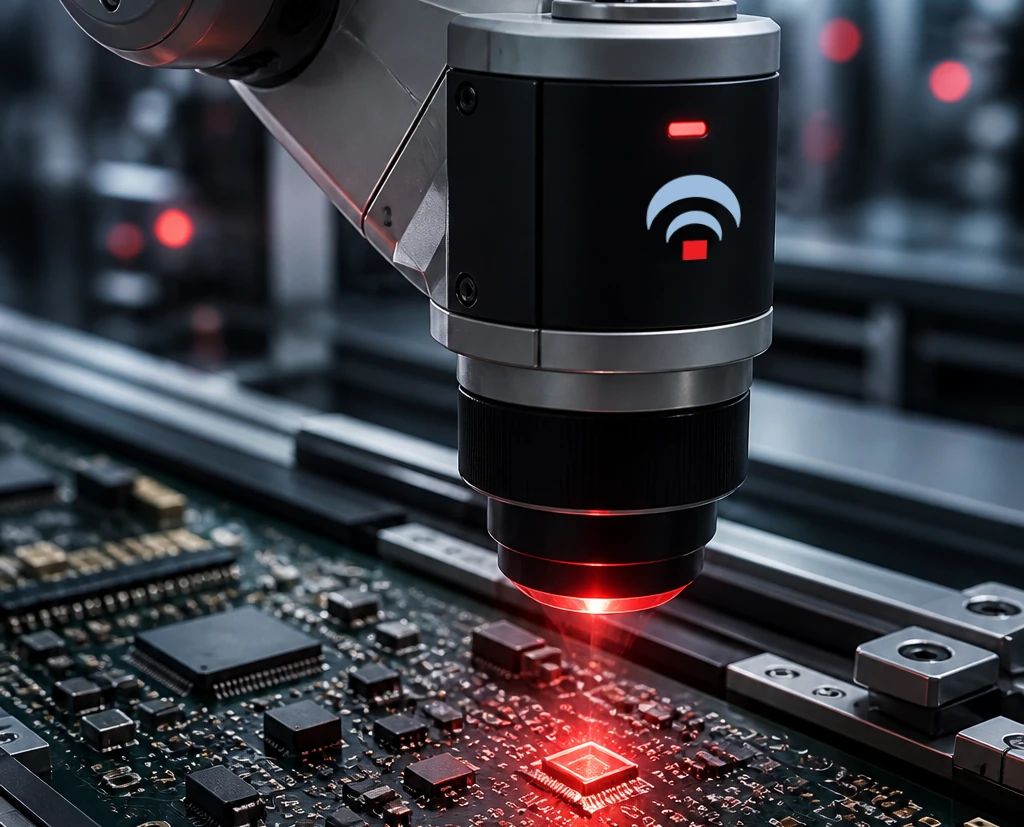
Plan a reading point around item movement, fixture geometry and throughput. Multi-read requirements are scoped for the application.
The deployment conversation
Confirm the chip is within the supported reading geometry.
Test throughput, first-pass reads and exception conditions.
Define the interface and how the read reaches the authorized system.
Configuration questions
A standard barcode scanner reads printed codes. A p-Chip read needs compatible hardware; combined configurations can read the printed code and microtransponder together.
The integration is scoped around the application. Reader interfaces and supported alternatives to Authium are established during technical review.
Distance, angle, light access and read rate vary by reader and application. Request the specification for the configuration being evaluated.
Let’s make it work
Tell us what you need to identify, what it has to withstand, and where the record needs to go.
Discuss your application