Manufacturing
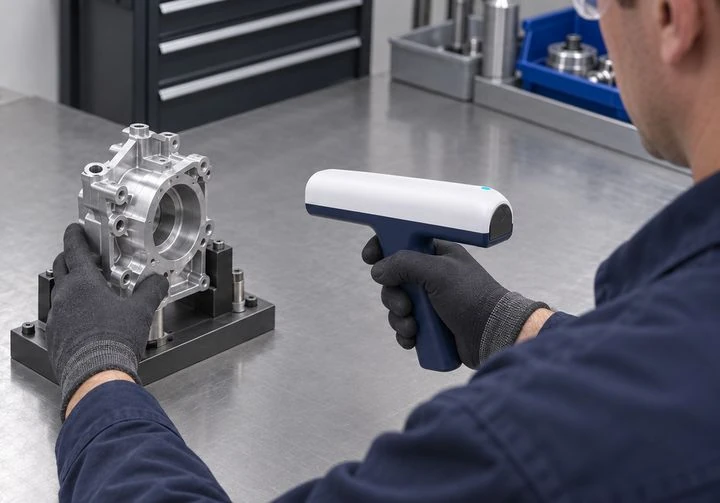
Confirm the registered part at a configured production checkpoint.

Industrial & energy
Bring item-level identity to manufacturing, inspection, service and investigation.
Discuss your applicationConfirm the registered part at a configured production checkpoint.
Connect the component in front of you with its associated service history.
Evaluate attachment and reading for components, modules and assemblies.
Configured for the process
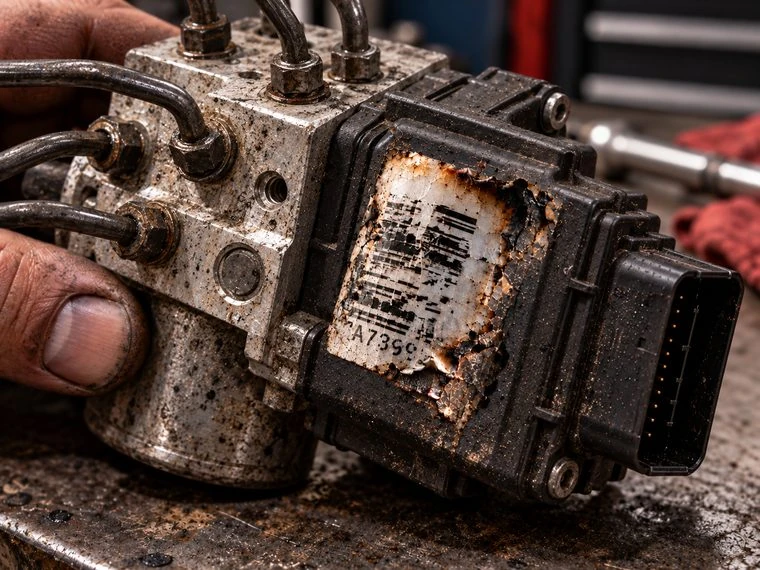
Heat, chemicals, abrasion and handling can make a printed surface difficult to maintain. A silicon microtransponder can be bonded to a component or embedded during production.
The complete tagged assembly must be evaluated against the actual process. Host material, attachment, exposure duration and reader access all shape the result.
A configured workflow
Each checkpoint connects the physical item with the record the process expects.
Associate the component with its authorized manufacturing record.
Read at assembly, incoming inspection, service or another selected step.
Connect the item identity to warranty, provenance or investigation data.
Application questions
Direct-to-metal attachment is an available application approach. Bonding, placement and reader access are evaluated for the specific component.
The chip, bond, host material and reader have different constraints. An application review establishes the supported conditions of the complete assembly.
It can improve the granularity of an investigation. The affected population still depends on the defect and the available evidence; multiple identified items may share the same issue.
Let’s make it work
Tell us what you need to identify, what it has to withstand, and where the record needs to go.
Discuss your application