Origin records
Keep a physical identifier connected with the registered source information.


Food & brand protection
Support provenance and authentication with a physical identity established during production.
Discuss your applicationKeep a physical identifier connected with the registered source information.
Add a physical check to an existing product-authentication process.
Connect the item with production and handling records at configured checkpoints.
A documented application
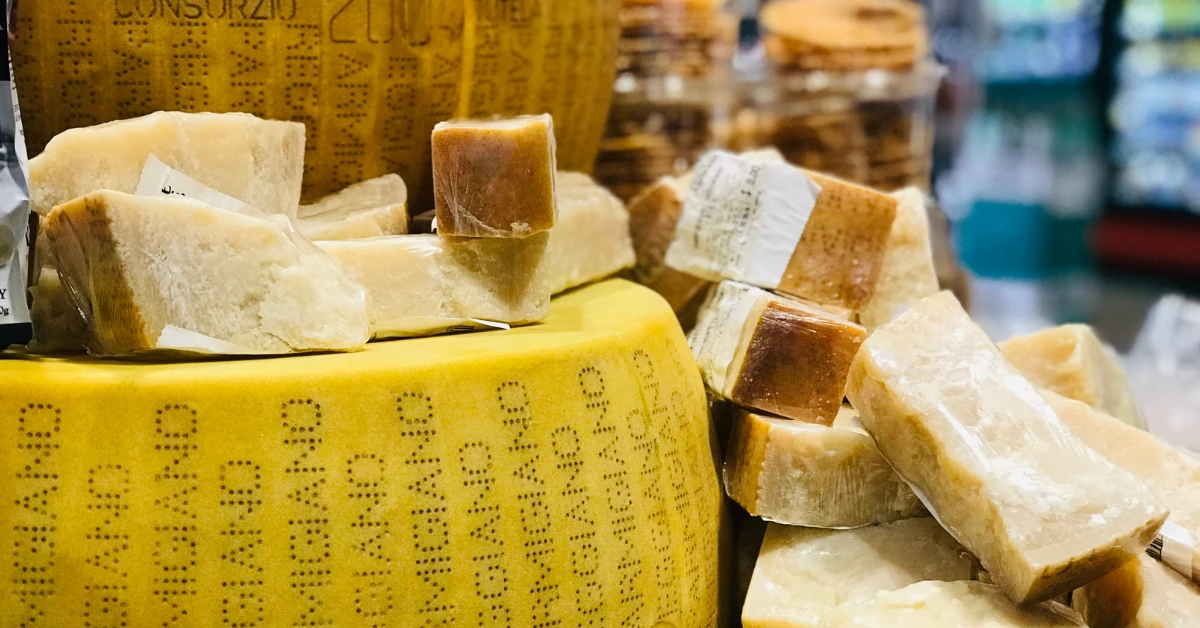
The Parmigiano Reggiano application integrated p-Chip microtransponders into casein cheesemarks with Kaasmerk Matec, connecting individual identities with origin records during wheel production.
It provides a tangible example of the technology in a long production cycle. Each new food-contact or brand-protection application requires its own material, attachment and process evaluation.
A configured workflow
Each checkpoint connects the physical item with the record the process expects.
Associate the identity with the authorized origin or product record.
Check the registered item at an appropriate distribution or verification point.
Use the identity alongside provenance records and existing certification controls.
Application questions
No. The identifier connects an item to its registered record. Origin certification depends on the registration process and the controls of the relevant certification program.
Material suitability is application-specific. The tagged construction and intended process must be reviewed for the relevant food-contact requirements.
No. Physical identity supports the connection to records. The organization still maintains the required traceability information and processes.
Let’s make it work
Tell us what you need to identify, what it has to withstand, and where the record needs to go.
Discuss your application